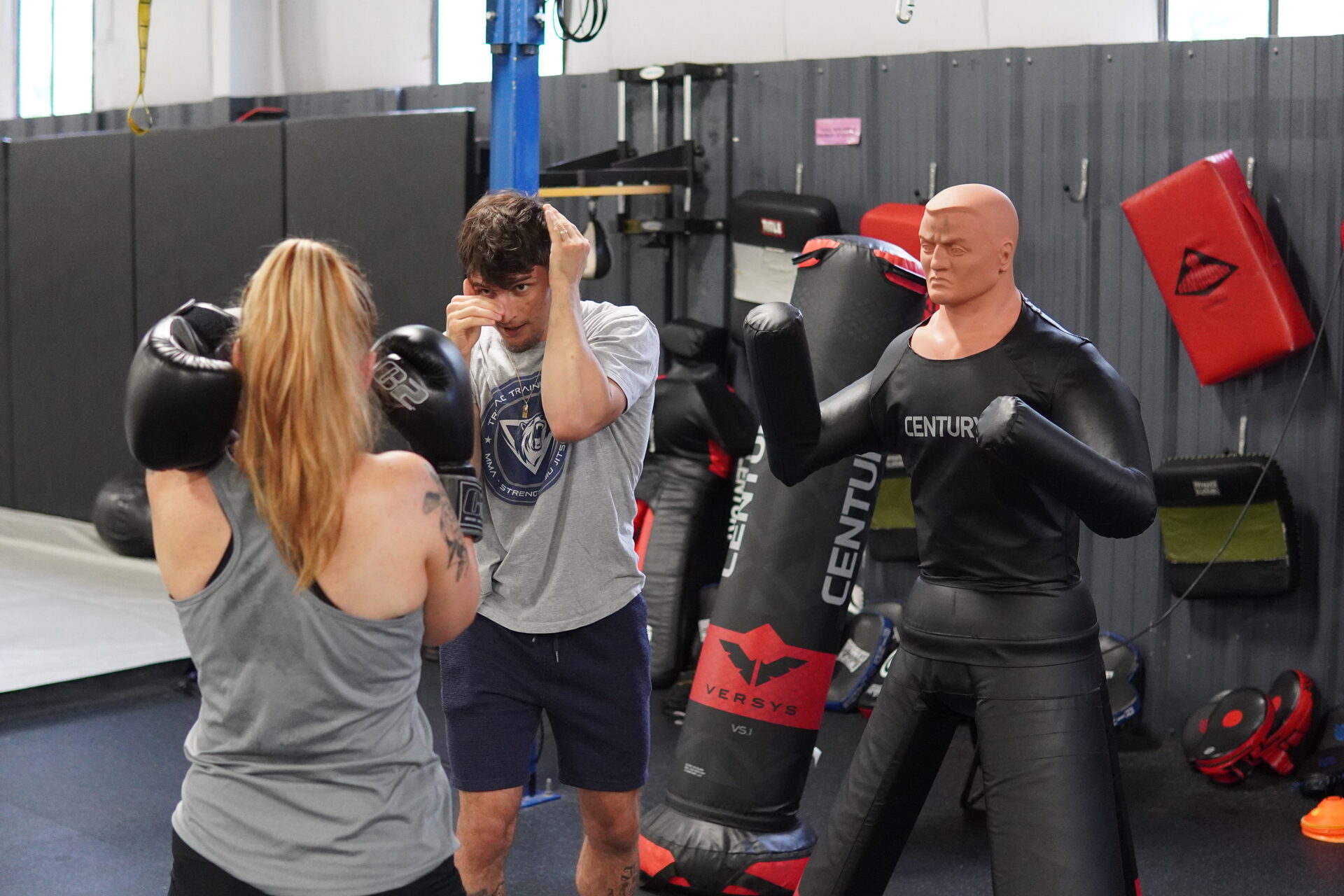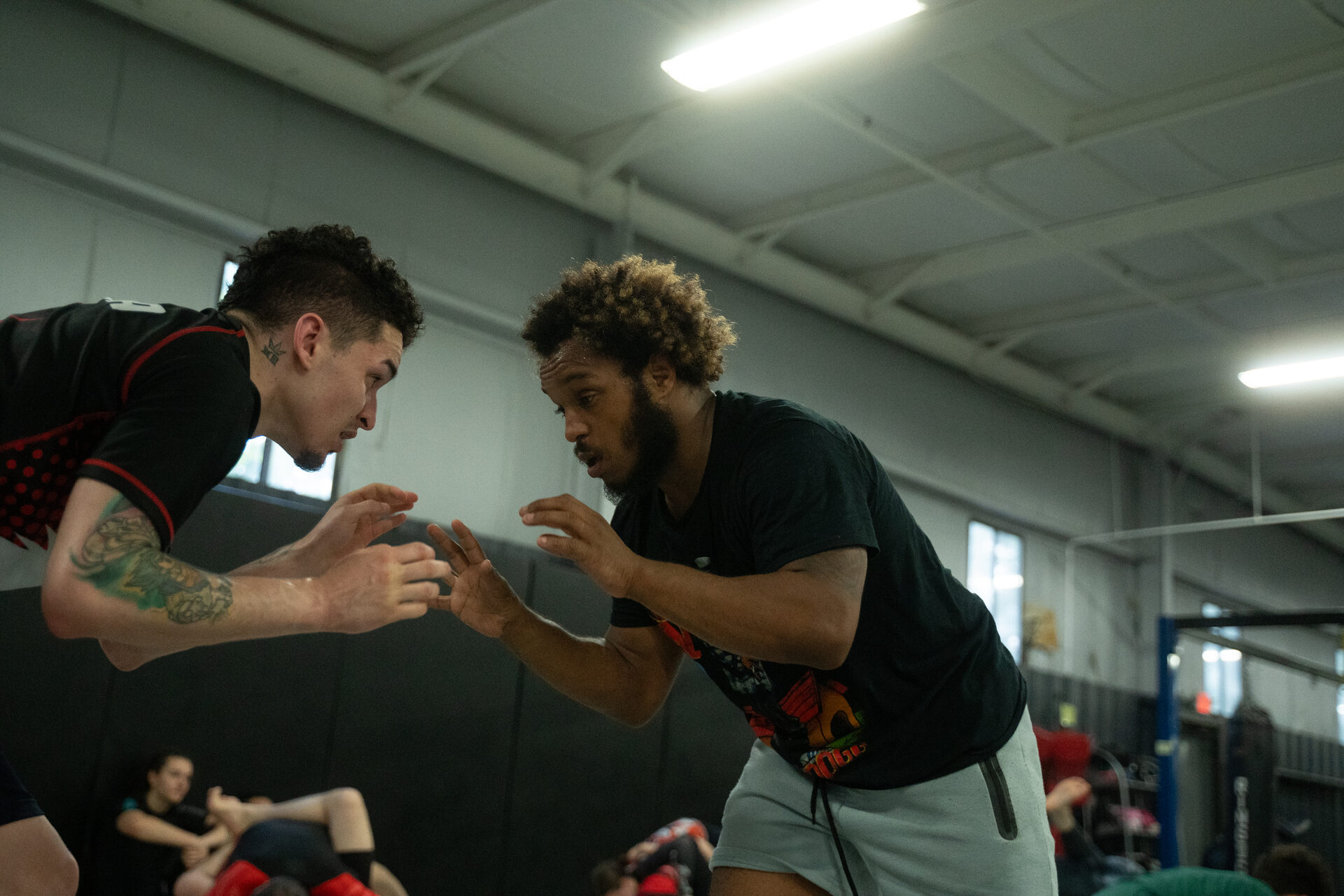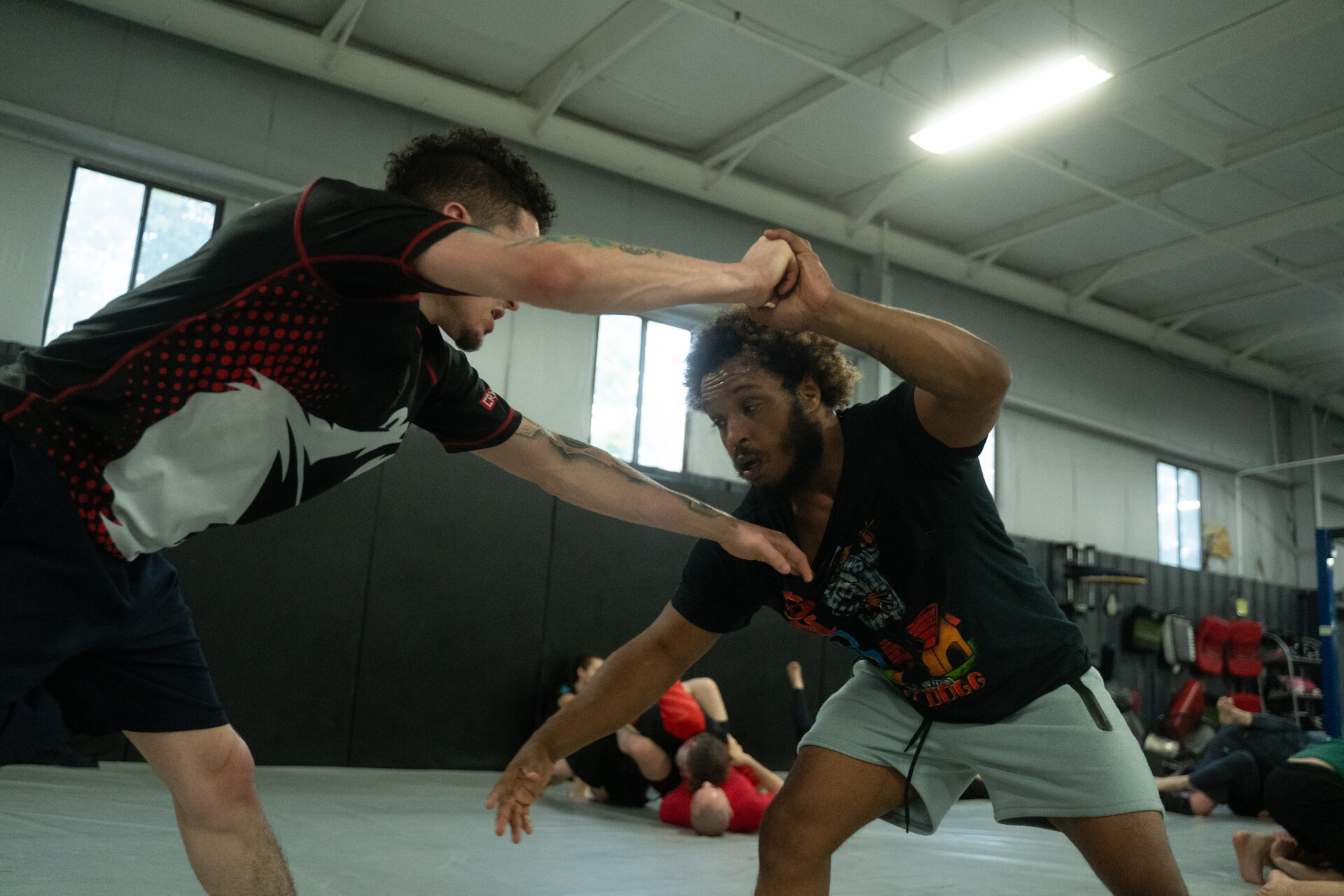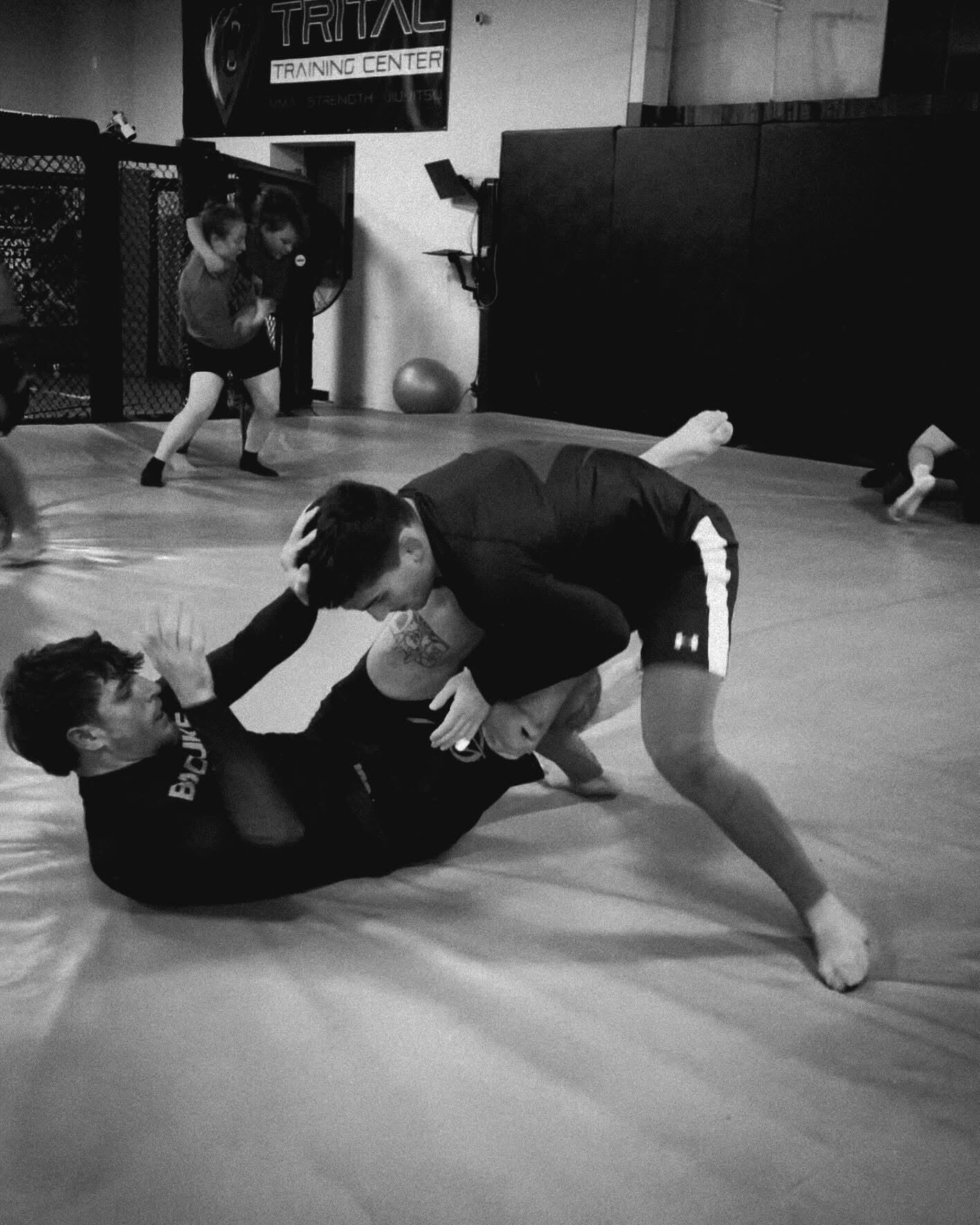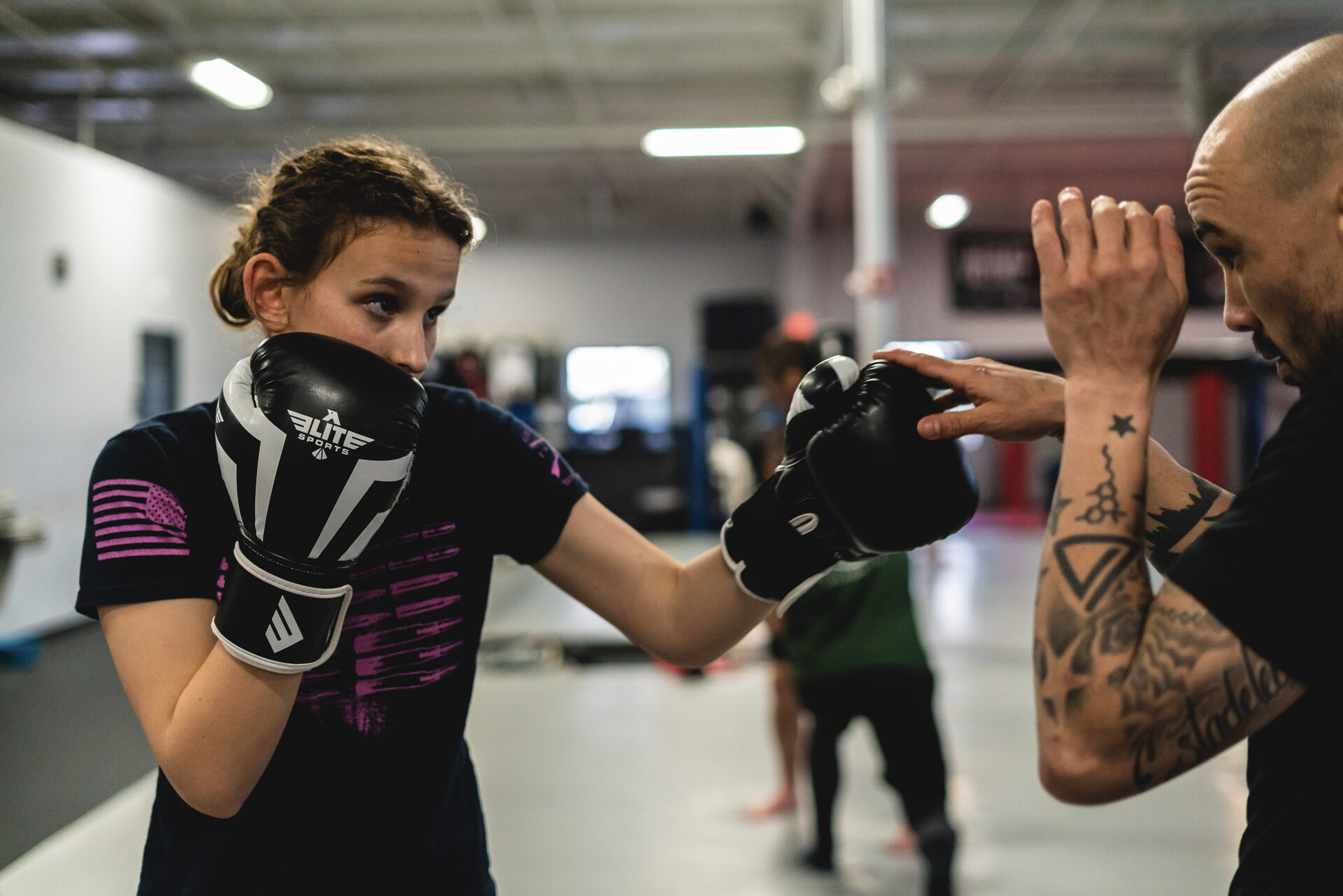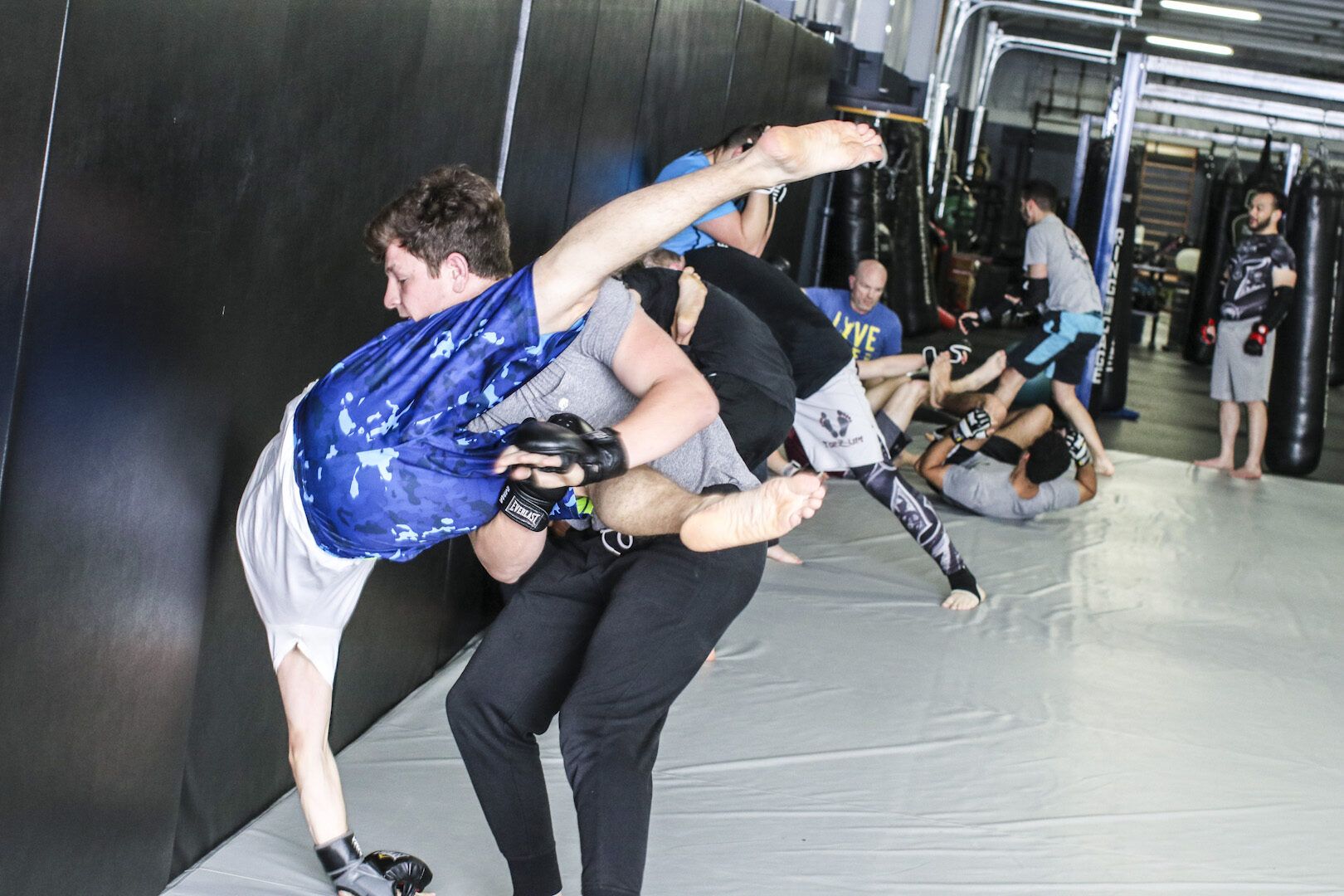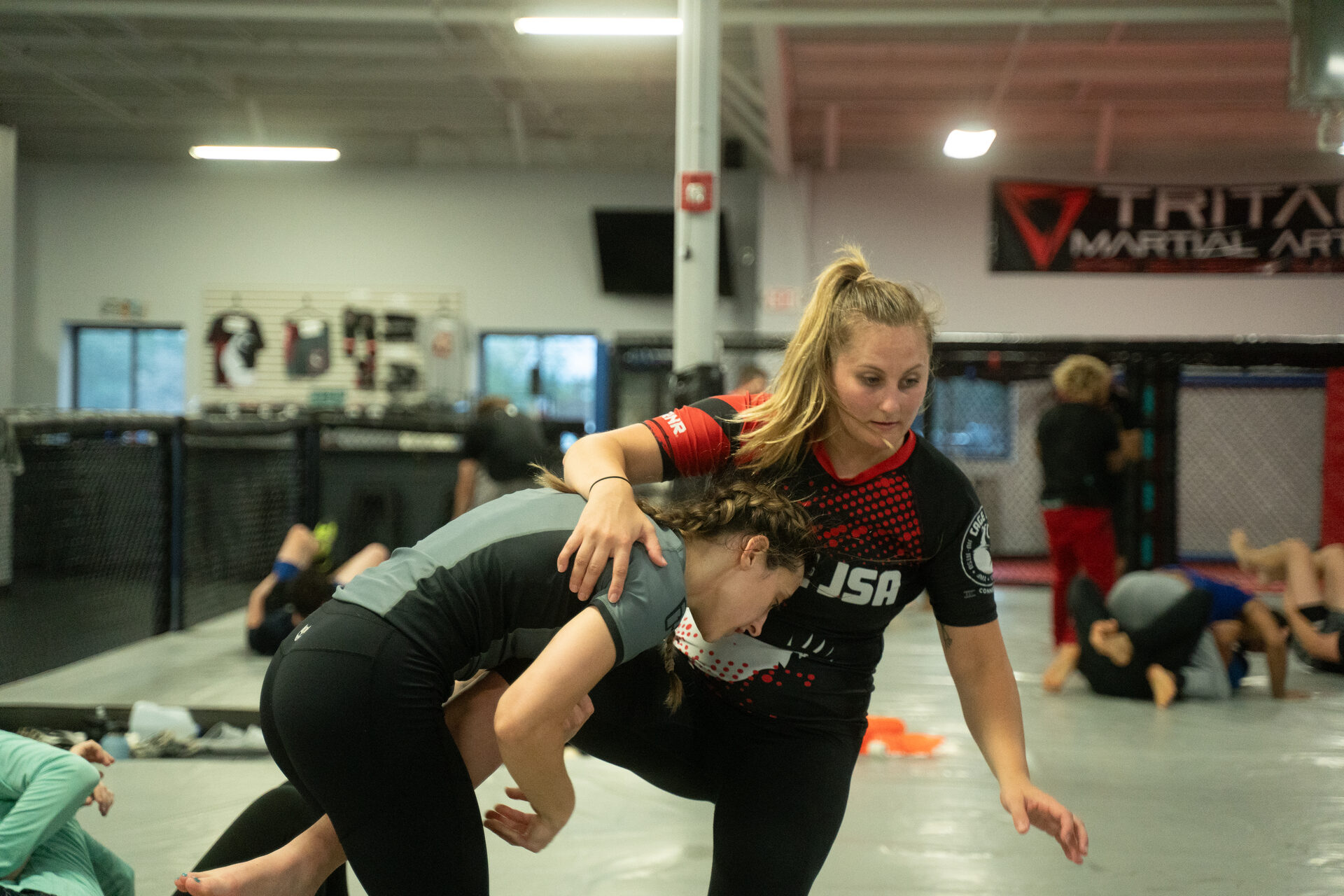
An online martial arts school run out of a real gym in Cromwell, CT. Every screen on this page is captured from the live hub.
270 techniques. 1,819 verified connections between them. Your plan is a route through that map, drawn from your goals and moved by what you log.
TRITAC's structure has a name: the Spine. It holds every technique, position, control, and frame in the system. The connections between them are the edges: verified links that say what chains to what, what defends what, and what a defense earns. Every technique starts somewhere and ends somewhere, and the ending of one technique is the starting point of the next. Ask the map "I am here, what can I do?" and it answers with every option, what each one leads to, and what the opponent's replies open next.
Sixty skill areas cover striking, grappling, movement, and defense, and each has its own page in the hub. The study shelf holds the videos mapped to this skill, the history grid shows your last 28 days on it, and the logbook rail asks three questions and only three: when you trained it, how you trained it — solo, drilled, or live — and what you worked on.
Every skill area has a level track, and there is one way to move it: log real training. Solo reps count. Drilled partner work counts more. Live rounds count most. Because skills sit on a connected map, leveling one opens its neighbors: build your sprawl and the map surfaces what a working sprawl earns.
A flow is a two-person exchange with defined roles. One side attacks in a structured chain. The other defends and earns the counter. The hub holds 245 of them, and a 3D player that renders both fighters.
Video shows you one camera's opinion of a sequence. The 3D player shows you the sequence itself. Both fighters render as motion data on an open floor. Orbit the camera anywhere. Drop the speed to half. Step through beat by beat with the segment strip. With no partner in front of you, the player shows the exchange from your opponent's side, at a pace your eyes can use.
Flows are not a fixed library. They are built from the skill map, and the builder ships with the hub — the same tool our coaches use. Pick a starting point, chain the beats you want to drill, and the sequence is yours: named, saved, and ready to train. A coach who spots a hole in your game can hand you a flow aimed at exactly that hole.
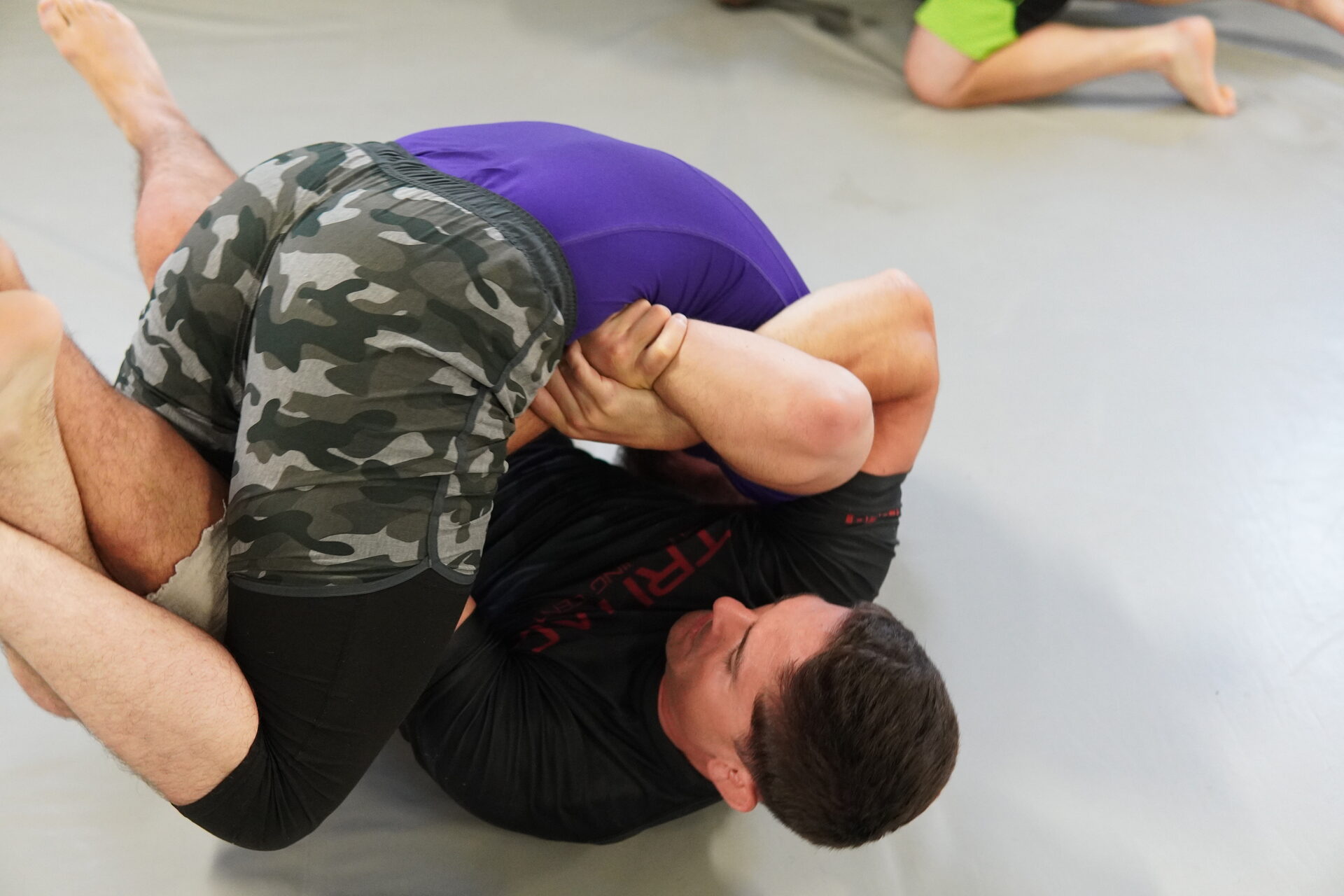
A flow teaches the sequence. A game finds out if you own it. Games run on the same map: each one takes a slice of the Spine and adds rules and roles. Drilling becomes live problem-solving with a whistle, and it is the step that makes the sequence yours.
1,438 videos, 744 of them mapped to a skill on your map. Plus a studio for cutting tape: moments from our mat cameras, or any video worth studying.
The hub's video center opens with a line that sets its rules: your coach, not a library. The plan decides which lesson today is for and puts it in front of you. Every skill page keeps its own study shelf.
The video does not arrive alone. Beside it sit its setups and its followups, and each chip carries its own film. You are not watching a move. You are studying a neighborhood: what invites the technique, what it opens when it lands. And when a question comes up mid-study, you ask Musashi, the hub's AI coach. It answers from the system's own material, so the answer matches what your plan is teaching.
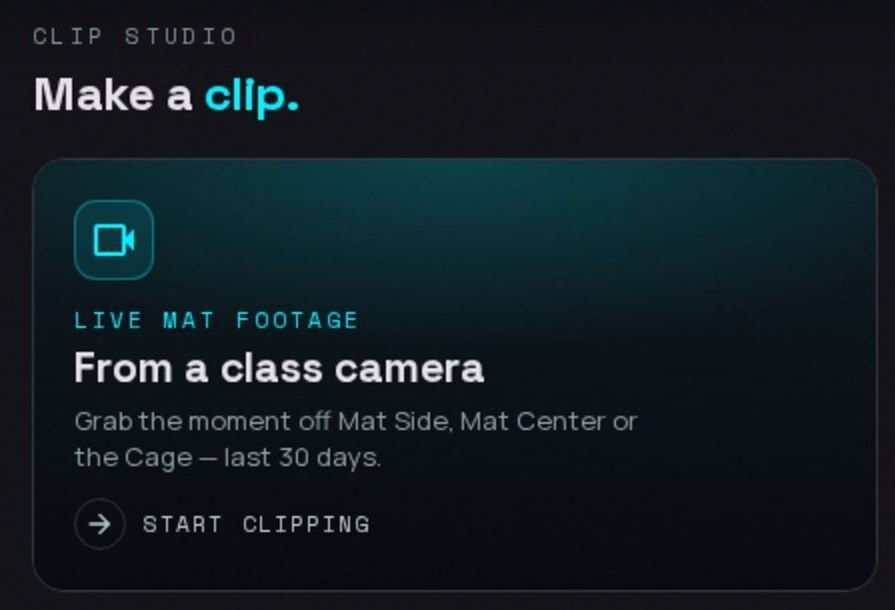
The other half is watching yourself. The studio gives you two doors. Door one: the class cameras that record in Cromwell — members can grab any moment from the last 30 days. Door two: any video. Paste a YouTube link and clip the exact moment you want to keep. Clips land on the members' wall, where training partners like and comment.
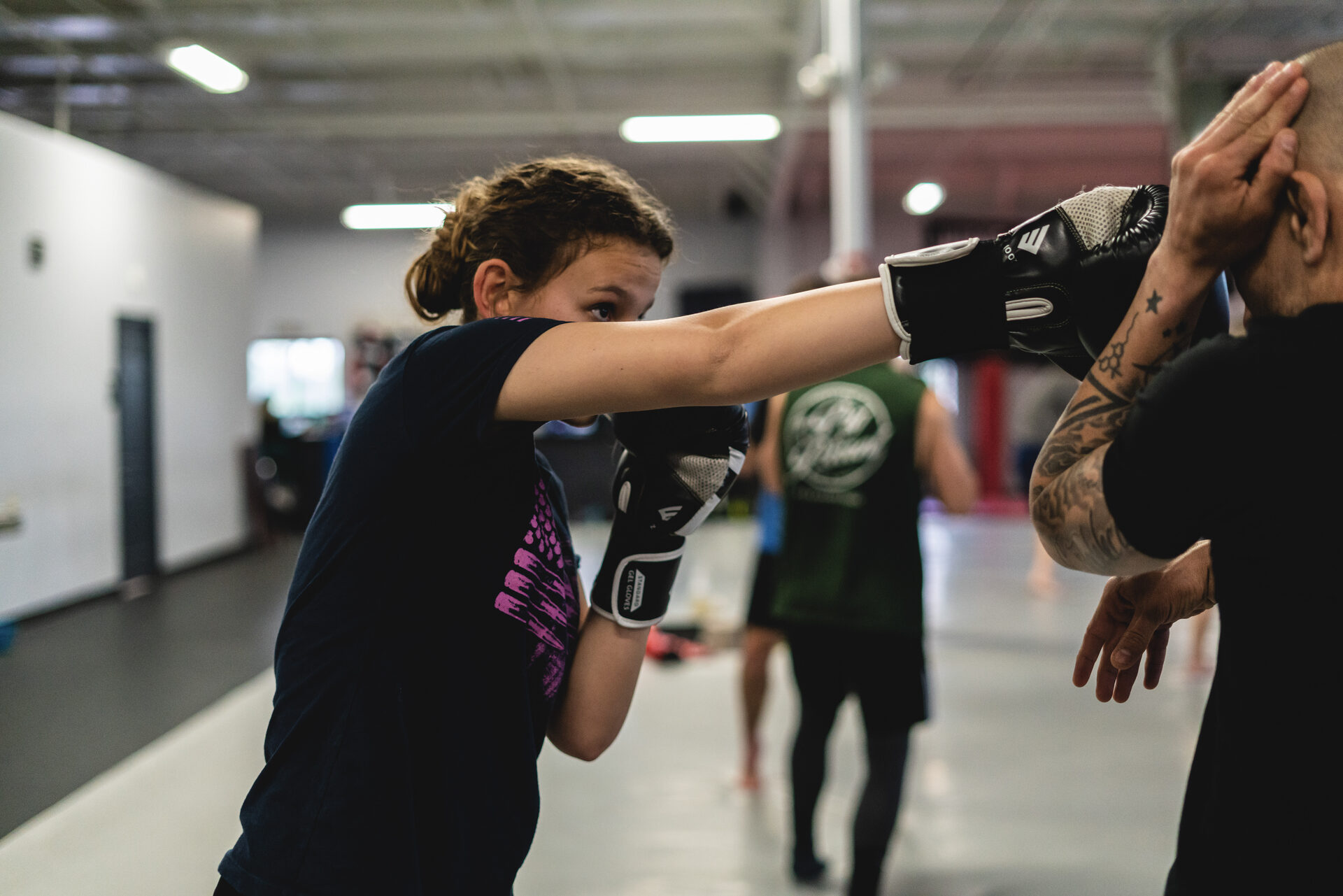
Every video platform on earth can show you a technique. None of them can watch you do it and tell you what is off. TRITAC closes the gap the only way it closes: a real coach, watching your movement, telling you what to fix first.
It works like this. A private 30 minute call with a TRITAC coach. One to one, on Google Meet. You book it from the hub inside your first 21 days. The coach goes through what you actually train, what you are chasing, and where you keep stalling out. You hear what is working, what to fix first, and what your map says to open next. Not a form letter. A coach with your training history in front of them, talking to you about your game.
On the $49 Kickstart the call is included, and Matt takes them first. For members, a call is included every quarter. Bring footage if you have it and the coach will watch it with you, on the call. Nothing is required, and nothing is homework.
During your Kickstart you also get a direct text line to your coach. Stuck on a detail, unsure what to log, second-guessing a rep: text it, get an answer from the coach who sat down with you. And when class runs in Cromwell, the cameras go live: click a camera and watch coaching happen in real time, from wherever you are.
What you say on a call, and anything you choose to show a coach, stays with that coach. It is not posted and not shared to any feed. The call is also optional. The plan works without it. It works faster with it, and the choice stays yours.
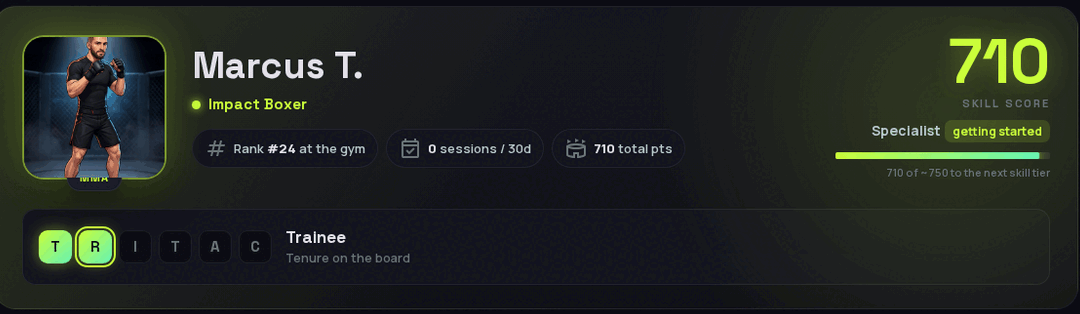
TRITAC points come from one source: logged training, weighted by how you trained. Solo reps earn. Drilled partner work earns more. Live rounds earn most. There is no purchase that moves the board and no badge for showing up to scroll. The member above you trained more than you did this week, and both of you know it.
The main board runs on a 7-day window. The race resets weekly, so a new member can beat a veteran by outworking them this week. Leagues follow focus: a Combatives student competes against Combatives students, a grappler against grapplers, and the All board holds the whole school. At the top sits the Athlete of the Week, earned.
The rival panel is the network's sharpest tool. Pick a rival and the hub tracks you head-to-head, updating as you both log. It is points only, by design. You are racing someone's consistency, and consistency is a race worth losing some weeks.
The streak counts training days against the cadence you set, not against a demand for daily perfection. Miss a week and the plan does not shame you. It shortens the next session, brings back your last focus skill, and rebuilds momentum from where you stand.
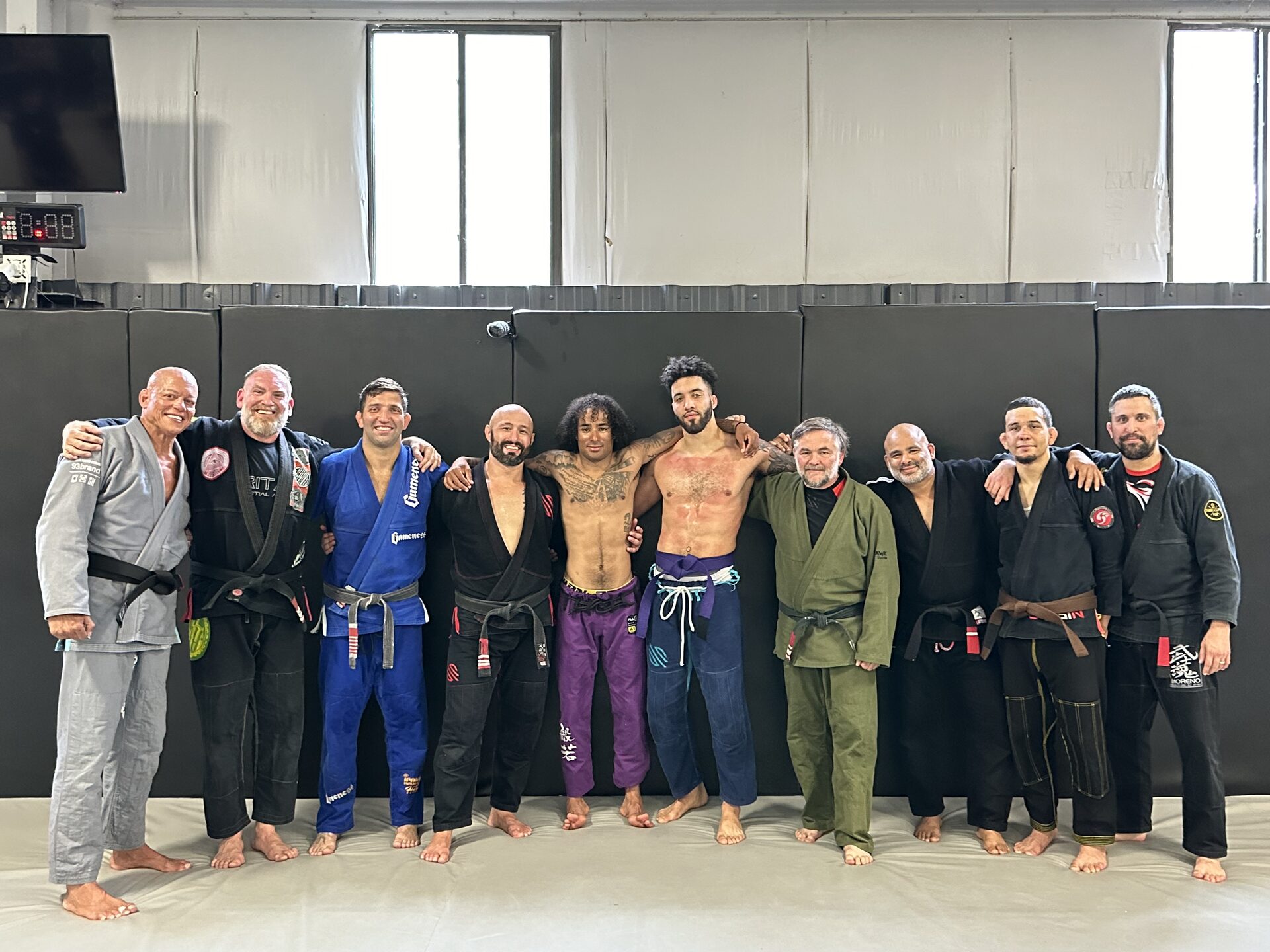
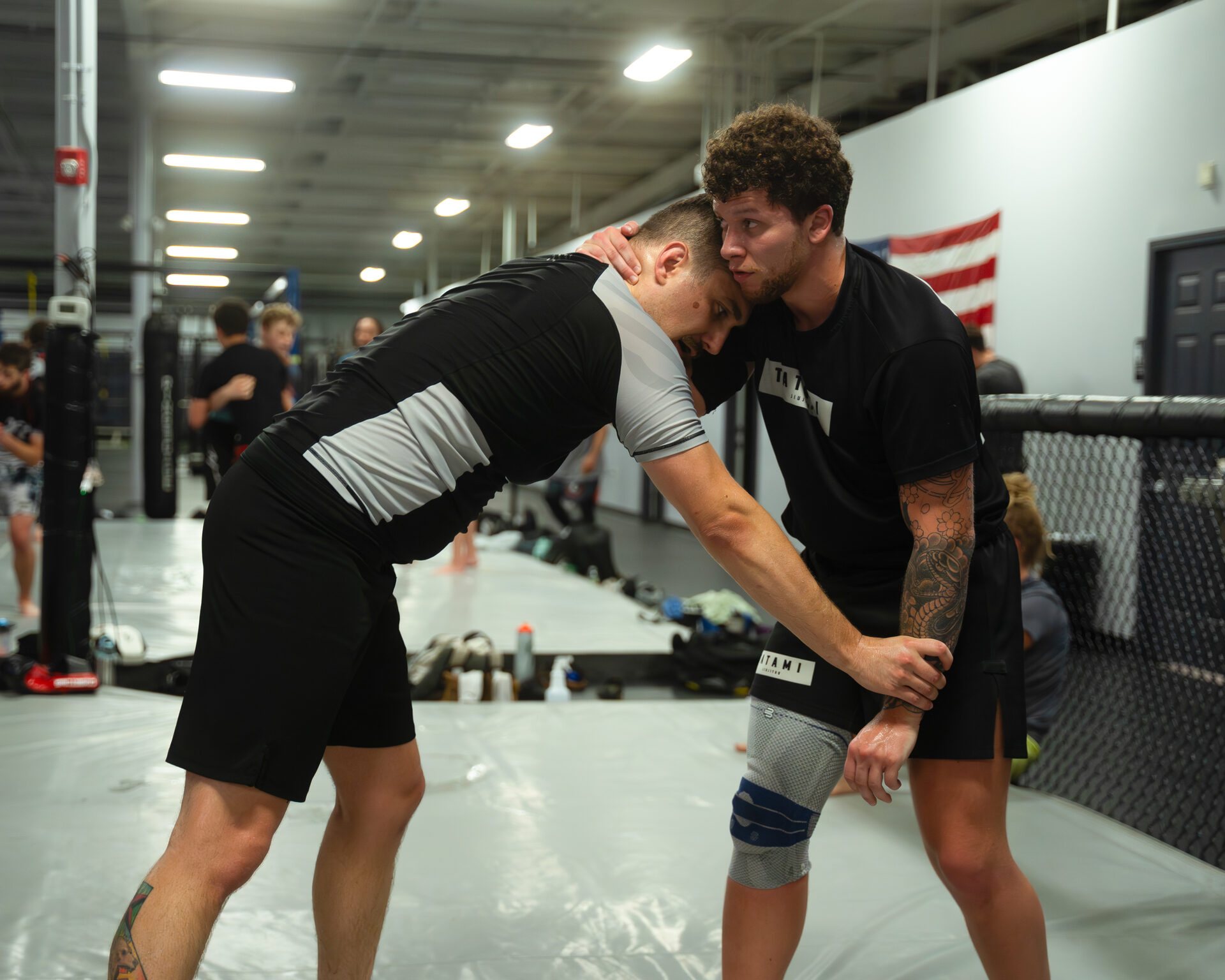
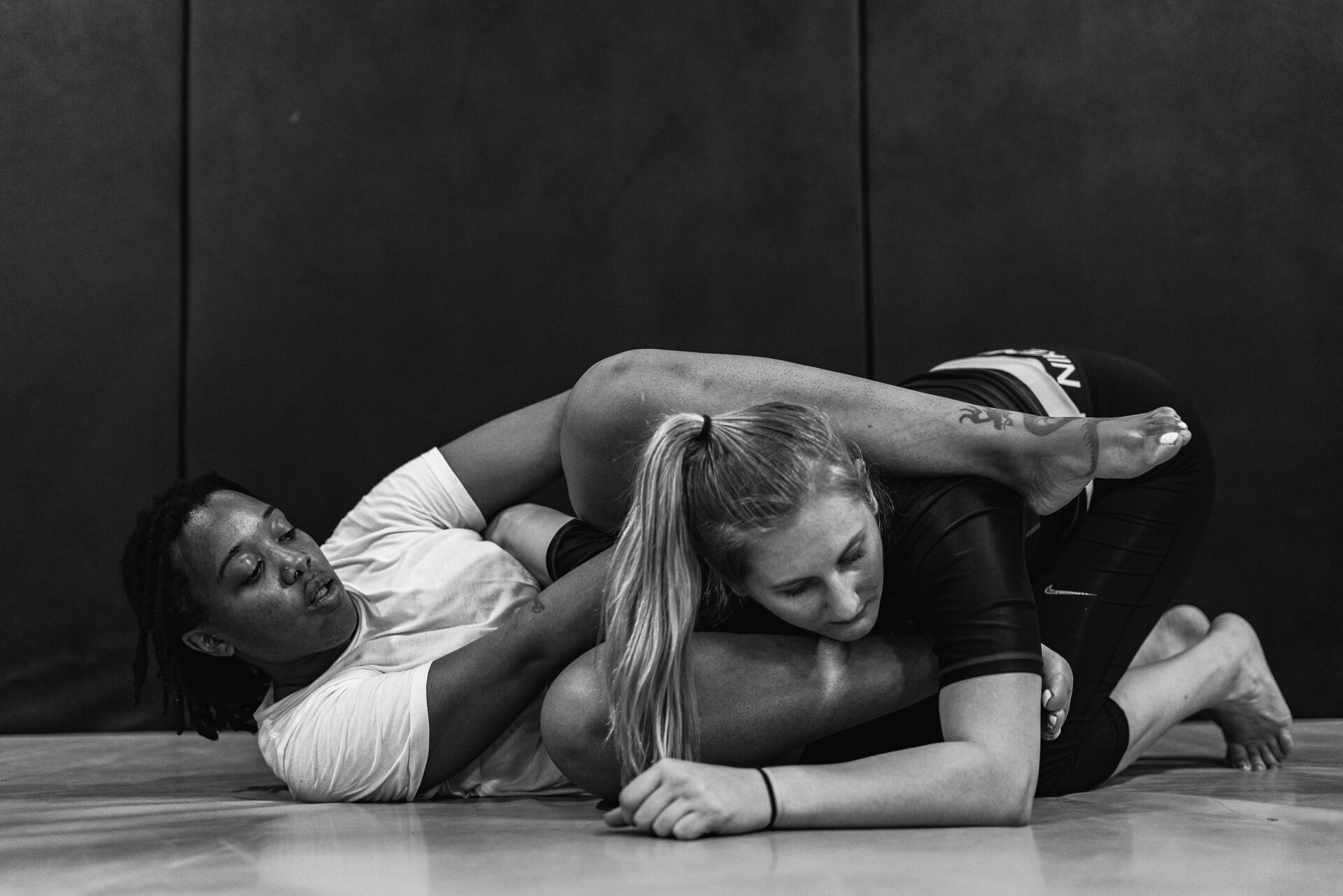
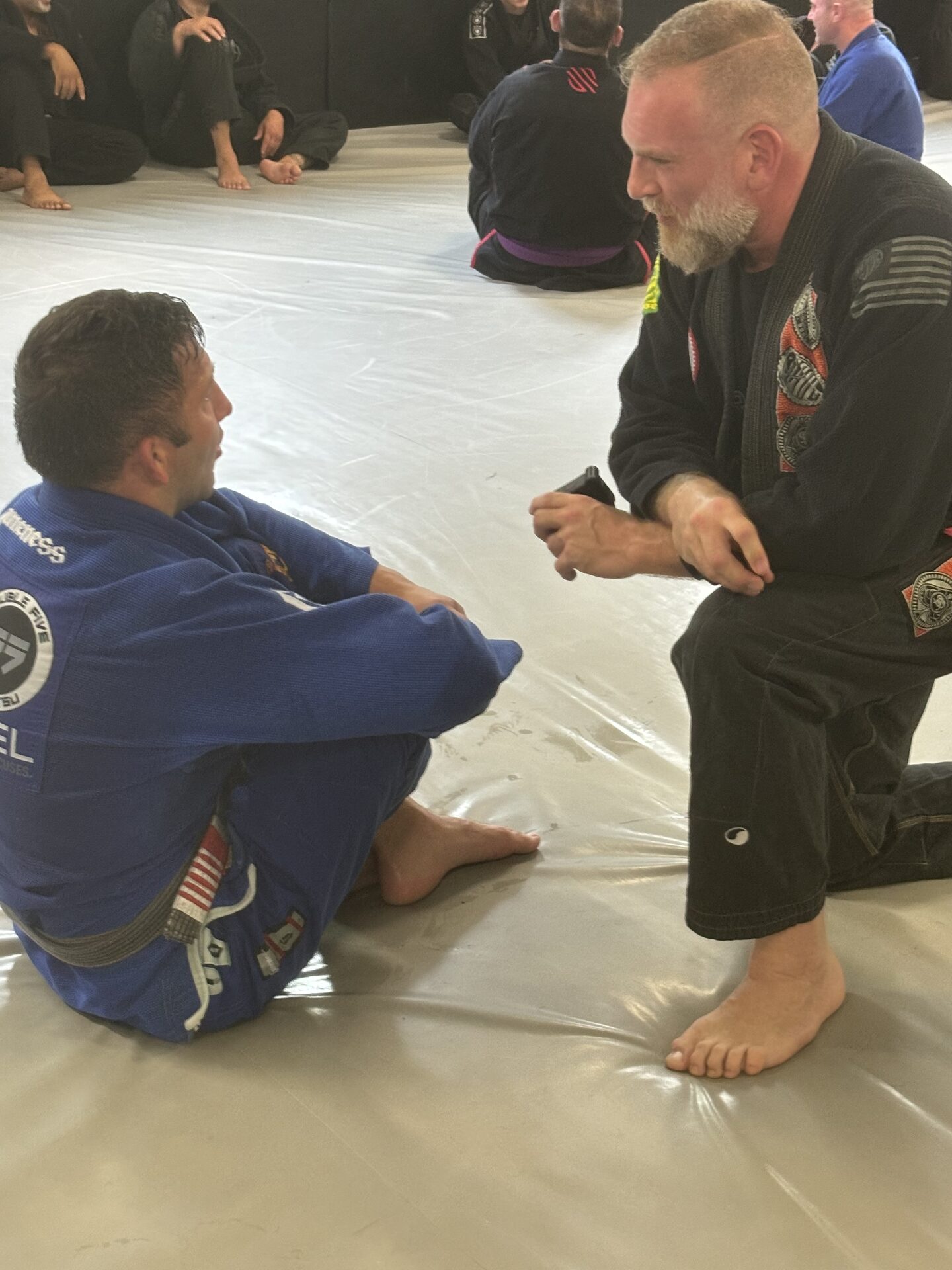
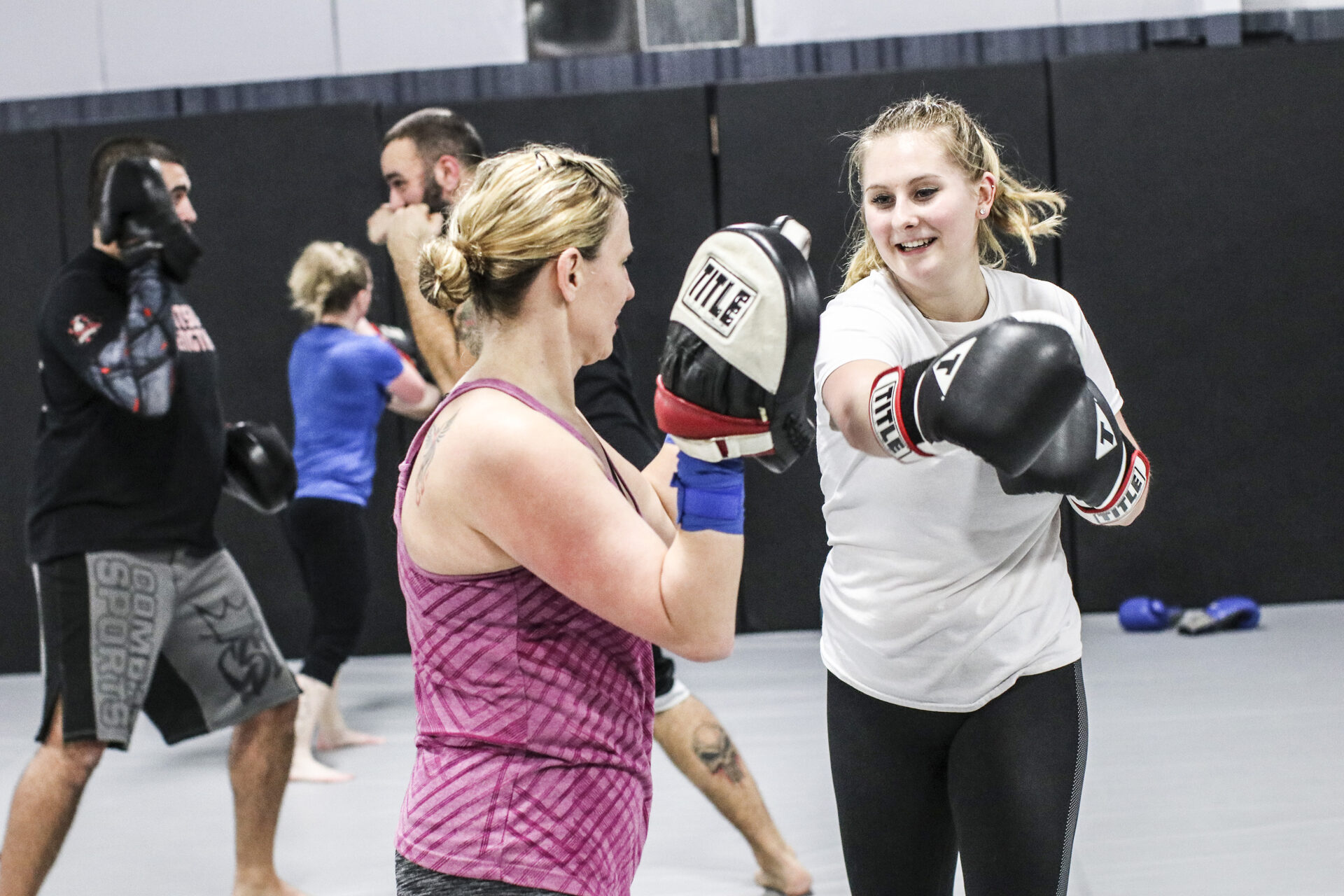
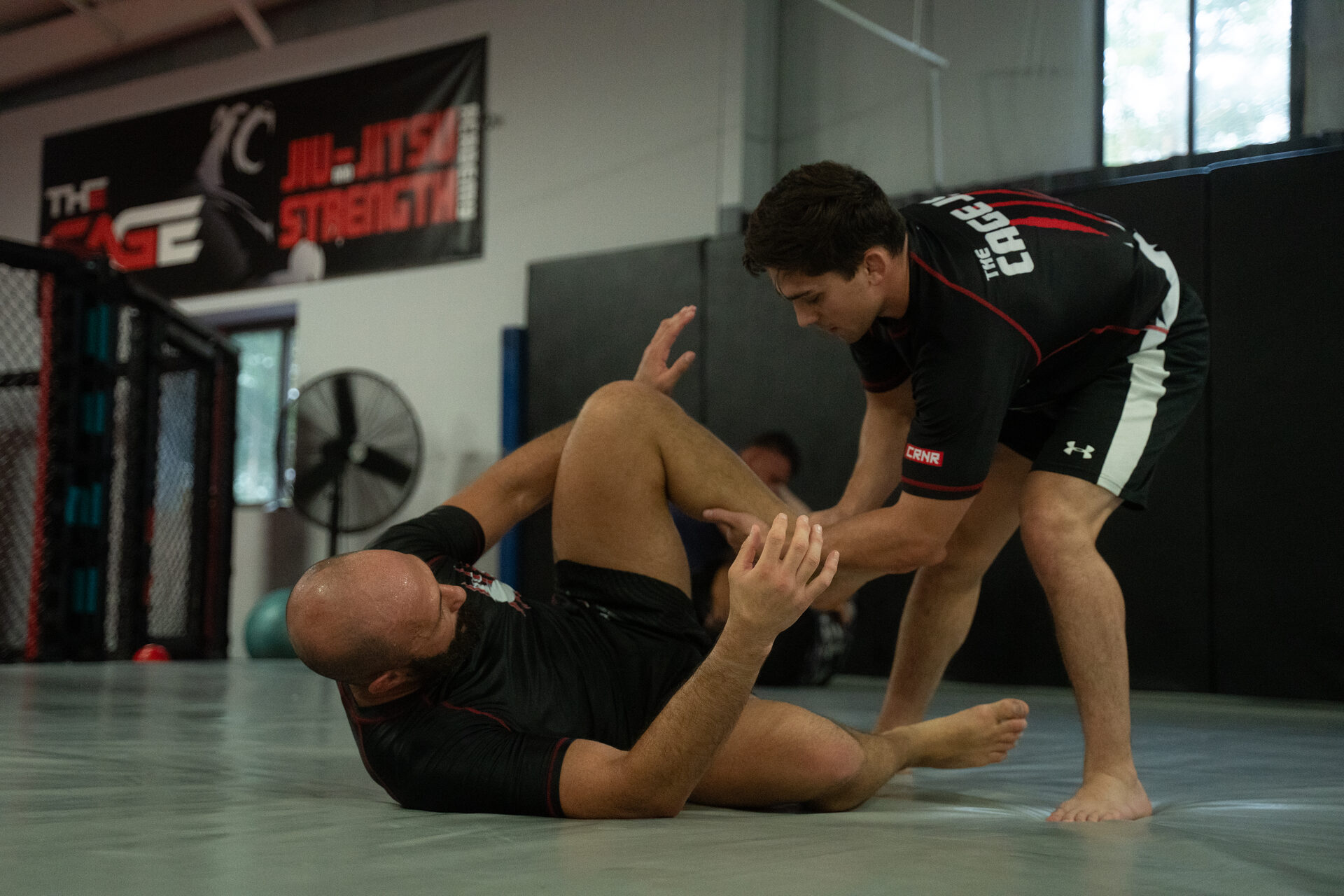
Reserve classes from the hub and check in with a tap. This system runs a real gym. Classes are not an edge case here. They are the main event, and the hub treats them that way for members on both sides of the screen.
When the coach confirms what the class covered, your skill map moves. Class training stops being invisible. After class, the coach confirms what got taught: the skills, the techniques, the focus of the hour. Every checked-in student on that mat gets the class logged against those exact skills. You trained takedown defense for an hour because the class did, and your map says so because the coach said so. 7,823 check-ins have flowed through this loop.
Not in Connecticut? When class runs in Cromwell, the mat cameras go live in the hub, and online members watch real coaching as it happens. Times are Eastern; reserve it like any class and train along from your floor. And if you train at a gym near you, that mat counts too. Rolled six rounds Tuesday? Log them from the parking lot in two taps, tagged to the skills you fought for. Same map, same log, same standard on both sides of the screen.
The quiz takes 60 seconds. The plan it builds is yours free for 21 days.